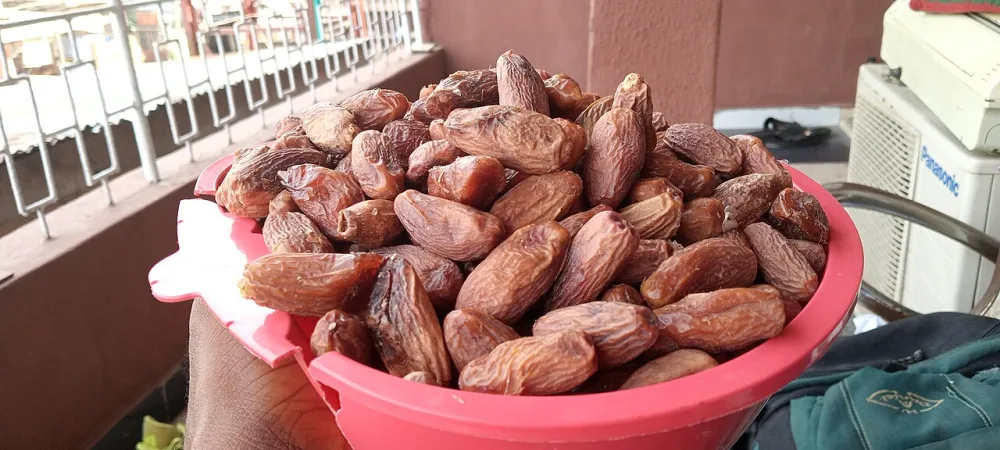
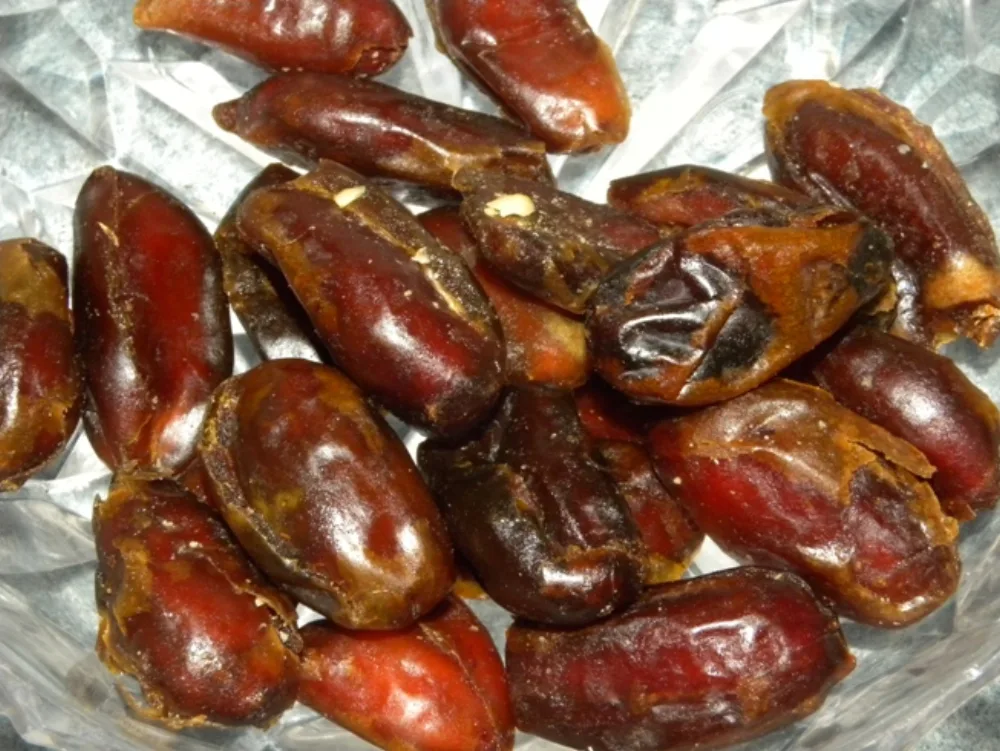
If Ajwa is the most prestigious date, then Sukari is the best-selling one. The "kurma Sukari Depok" tag pages on Tokopedia and Blibli are among the busiest, and reports from Tanah Abang Market cited by Detik Finance place Sukari as one of the top-selling varieties alongside Ajwa and Medjool. Its soft caramel-like sweetness, crisp-soft texture, and relatively affordable price make Sukari a favorite among Indonesian families, including in Depok. This guide covers Sukari thoroughly: origin, grade, 2026 prices, nutrition, and buying tips.
Getting to Know Sukari Dates
Sukari originates from the Al Qaseem region of Saudi Arabia. Its name comes from the Arabic word meaning "sugar," describing its signature sweetness. Unlike the dry Ajwa, Sukari tends to be soft with a slightly crisp interior textured by natural sugar crystals, especially in the "mufattal" or lightly dried variant. This is why Sukari is often nicknamed the "royal household date," once popular among royal families.
Sukari Nutrition
Based on Indonesian health sources such as Halodoc, Tempo, and an Airlangga University review, along with general date nutrition data, Sukari is a mineral-rich natural energy source. The table below summarizes its indicative profile.
| Component | Indicative Value (per 100 g dates) |
|---|---|
| Energy | ~277 calories |
| Fiber | ~6.7 grams |
| Natural sugar | ~66 grams |
| Potassium | High (hundreds of mg) |
| Sukari Glycemic Index | ~43.4 (classed as low) |
Sukari's glycemic index is around 43.4 per several Indonesian health sources, classed as low because it is below 55. Even so, its total sugar content remains high, so consumption still requires reasonable portions. This information is presented as educational, not medical advice; for people with diabetes or special conditions, discuss portions with a health professional.
Sukari Grades: Understanding Quality Tiers
Sukari trades in several quality tiers that affect texture, size, and price. Understanding grade helps you choose by purpose.
| Grade | Character | Best For |
|---|---|---|
| A / Regular | Standard size, soft sweet | Daily family use |
| AA / Super | Larger and more uniform | Guest serving, routine stock |
| VIP / Premium | Selected large pieces, neat look | Gifts and hampers |
| Mufattal (crisp-dry) | Crisper texture with sugar crystals | Lovers of dry texture |
For everyday eating, Grade A or regular already delivers delicious Sukari at an economical price. AA Super or VIP grades suit cases where appearance and size matter, for example Lebaran hampers.
Sukari Price in Depok 2026
Based on retail and wholesale tracking (Pasarkurma, Blibli, and CNBC Indonesia reporting ahead of Ramadan), Sukari is among the relatively affordable varieties. The table below summarizes reasonable ranges.
| Segment | Price Range per Kg (2026) | Note |
|---|---|---|
| Grade A regular | Rp60,000 - Rp95,000 | Rose toward Rp90,000 before Ramadan |
| Grade AA Super | Rp90,000 - Rp130,000 | Larger size, more uniform |
| Premium/VIP | Rp120,000 - Rp160,000 | For gifting and hampers |
Prices spike before and during Ramadan as national demand climbs sharply. Buying wholesale in 5-10 kg cartons gives a lower per-kg price, ideal for resellers and events. Always request a fresh quote via WhatsApp because prices fluctuate.
Tips for Choosing Quality Sukari in Depok
- Bright, even golden color that is not dull signals fresh Sukari.
- Soft texture, not overly dry for the moist variant; mufattal is naturally crisper, which is normal.
- Balanced caramel sweetness, not unnaturally sharp.
- Composition of dates only without glucose syrup or added sugar, per Tirto and Detik advice.
- Buy from sellers transparent on grade and price, who also deliver locally in Depok so it arrives fresh.
As a direct importer with over 40 years of date-sourcing heritage, we stock Al Qaseem Sukari in several grades and packs, from 1 kg retail to a 10 kg carton for wholesale needs. To compare Sukari with other varieties such as Ajwa or Khalas, read our types-of-dates guide; and if Sukari is intended as a gift, our Lebaran hamper collection is ready for delivery across Depok.
Sukari vs Other Popular Varieties in Depok
To place Sukari on the map of choices, here is how it compares with other popular varieties Depok residents also seek. This comparison helps you decide when to choose Sukari and when to switch to another variety as needed.
| Variety | Texture | Taste | Price Segment | Best For |
|---|---|---|---|---|
| Sukari | Soft to crisp | Caramel sweet | Mid-range | Daily use, guest serving |
| Ajwa | Dry-soft | Soft sweet | Premium | Sunnah practice, religious gifts |
| Medjool | Soft and thick | Rich sweet | Premium | Gifting, corporate hampers |
| Khalas | Soft | Light caramel sweet | Mid-range | Affordable premium gateway |
| Tunisian | Dry | Lightly sweet | Economy | Mass takjil |
The table shows Sukari's highly strategic position: more affordable than Ajwa and Medjool, yet far more special in taste than Tunisian. This makes Sukari a favorite "middle path," luxurious enough to serve guests but still sensible for everyday eating.
How to Enjoy and Serve Sukari
Sukari is most delicious eaten straight as a snack or break-fast takjil thanks to its indulgent caramel taste. But its flexibility goes further. Sukari can be paired with a cup of coffee or tea without added sugar as a natural sweetener, served with a glass of milk as a light breakfast, or stuffed with almonds for a classier guest treat. During Ramadan, presenting Sukari in a pretty bowl on the iftar table becomes a pleasant and meaningful tradition. Because of its soft texture, Sukari is also friendly for children and the elderly. Still mind reasonable portions given its high natural sugar content; enjoying a few pieces is enough to provide energy and satisfaction. These serving tips are presented as educational, not medical advice.
Conclusion
Sukari is a smart choice for Depok residents who want delicious, nutritious, and affordable dates. By understanding grade, matching against reasonable 2026 prices, and recognizing quality Sukari traits, you can choose well, whether for a family daily snack, guest serving, or a special hamper. As Indonesia's best-selling variety, Sukari deserves to be a staple stock in every home and shop in Depok.